Stronger Security Starts with Smart Testing
With proactive penetration testing, our certified experts detect vulnerabilities before they’re exploited keeping your business secure and resilient.

Strengthen Your Defenses
Identify and close weaknesses before attackers find them.

Detect Hidden Risks
Discover unseen threats with deep security assessment.a
Validate Your Protection
Ensure your systems can withstand real-world attacks.

Insightful Security Reports
Gain clear, actionable insights to strengthen decision-making.
Experience industry-leading solutions from one powerful platform
Secure your AI
Prevent data leaks and secure AI agents, apps, models, identities, and infrastructure — all from a single platform.

Secure your cloud
Stop cloud breaches with unified agent and agentless protection. Secure AI with new AI model scanning and AI security dashboard.
Stop identity attacks
Stop breaches faster with unified security for every identity — human, non-human, AI, and SaaS.

The next SOC era starts here
The AI-native engine of the modern SOC, built to stop breaches — not just log them.
Our Services
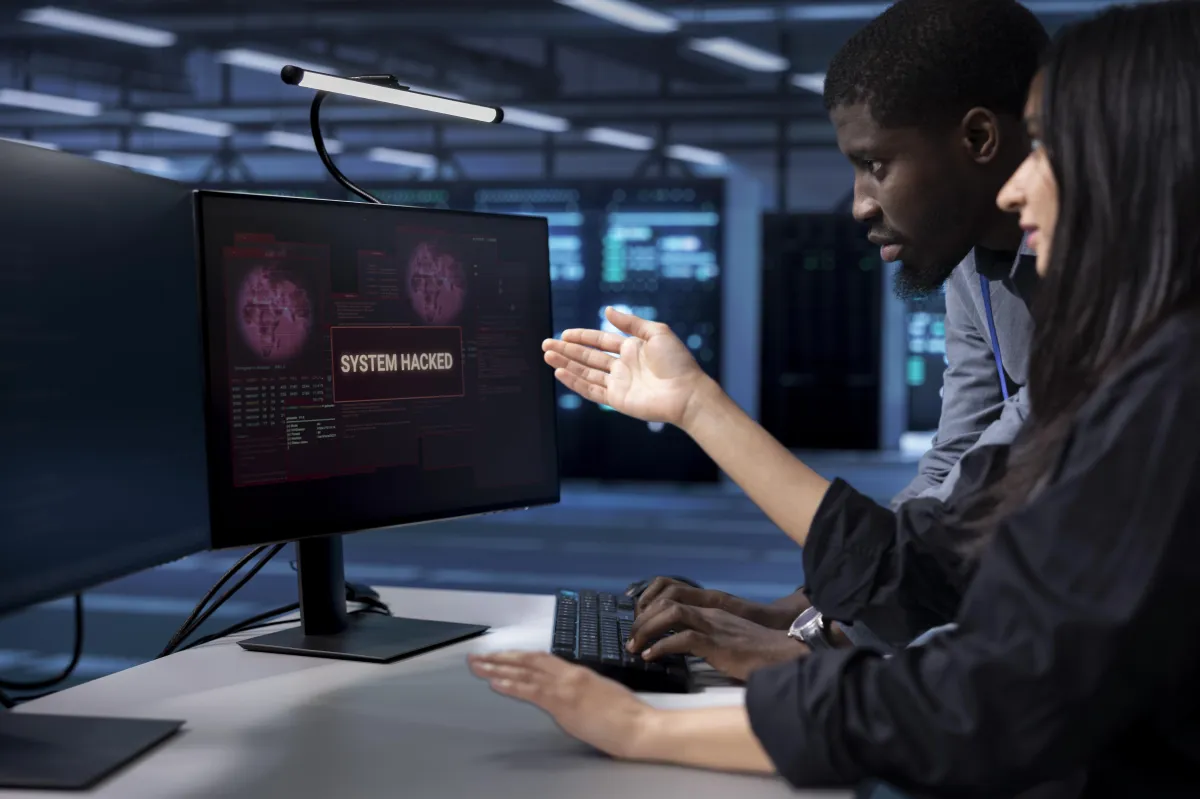
Vulnerability Assessment & Penetration Testing
Identify and address weak points before attackers exploit them.

Managed Security & 24/7
Monitoring
Round-the-clock surveillance to detect and stop threats in real time.
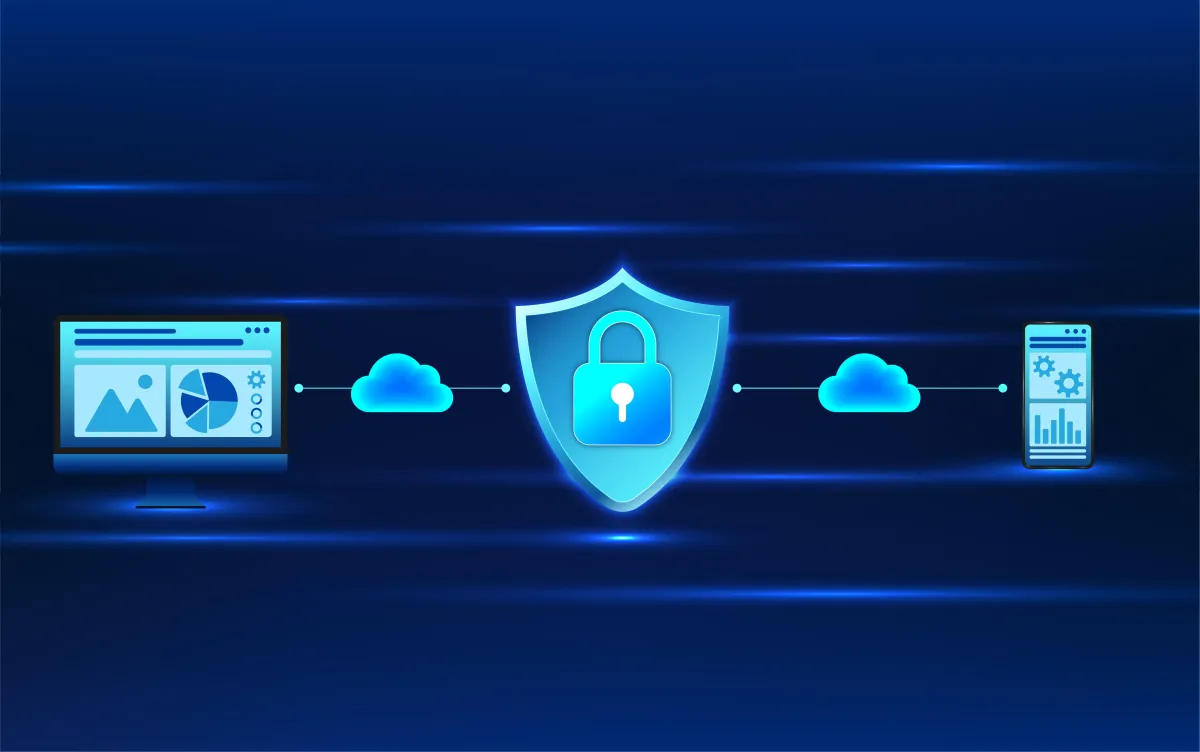
Endpoint & Network
Security
Protect desktops, servers, and mobile devices from cyber intrusions.
Why Choose Rakni
Tailored Learning Paths
Training programs built for your industry and career goals.
AI-Enhanced Education
Smart, data-driven learning with real-world application.
Global Certification Standards
Courses aligned with international frameworks and best practices.
Expert Mentorship & Support
Always-on guidance from certified professionals, whenever you need it.
Intelligent Transportation Systems
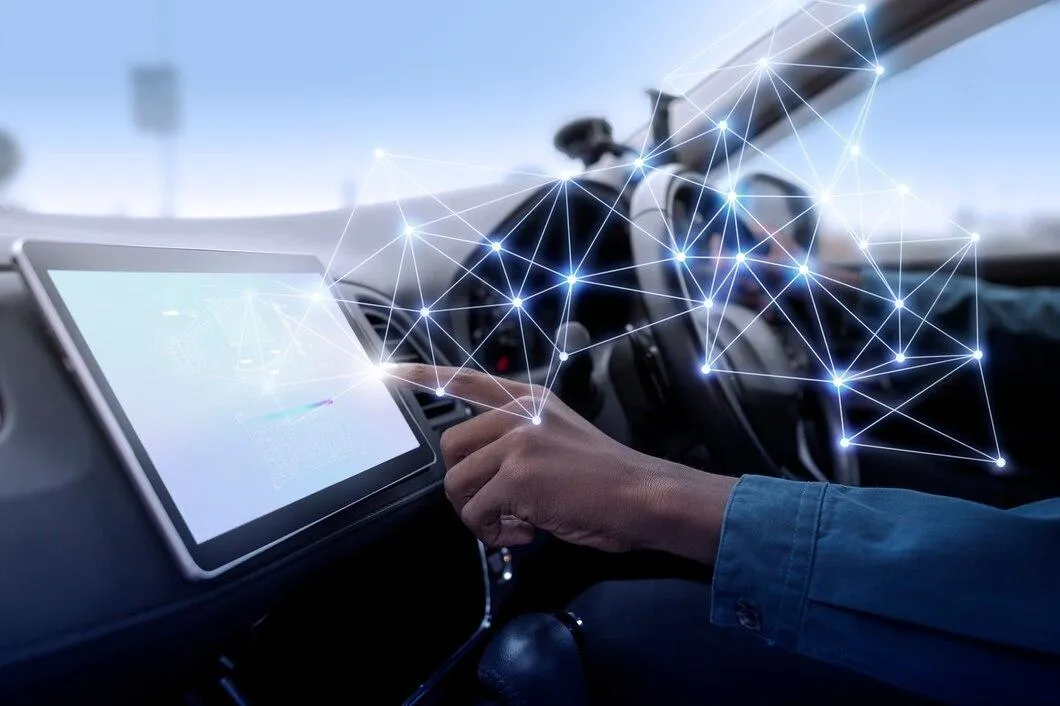
Intelligent Transportation Systems (ITS) combine many different types of information and communications technology to create a network of systems that help manage traffic, protect roads and more. As more and more parts of our transportation network become networked, ITS will change the way drivers, businesses and governments deal with road transport. These advanced systems can help improve transportation in several ways.
Traffic control System
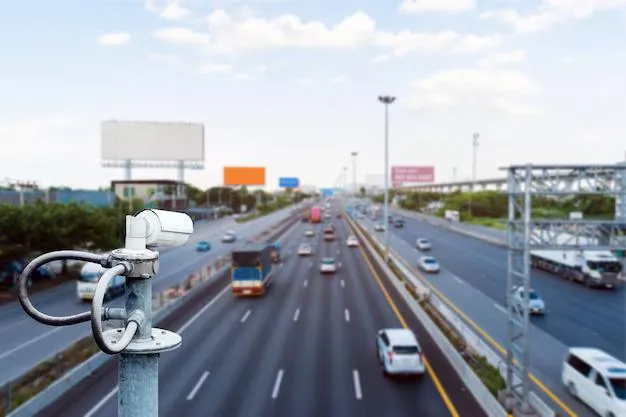
Existing centralized traffic control systems go some way toward alleviating traffic congestion and ensuring the smooth flow of vehicles through a road network. Intelligent transportation systems, however, allow traffic lights to respond to changing patterns themselves. Adaptive traffic light systems create smart intersections that control traffic in response to the patterns they observe among the vehicles using them. They can also prioritize specific forms of traffic, such as emergency vehicles or public transit. Large numbers of adaptive intersections working together produce a system in which lights change in response to traffic patterns rather than on a fixed schedule, reducing weight times and keeping traffic moving smoothly.
Traffic Light Systems

Traffic light systems are often centralized. Controllers measure individual lights to assess how traffic should flow.
The problem with this traditional approach is that it tends to be inefficient. Even solutions that give priority to public and emergency transportation tends to fall short. This is because one key flaw remains with these systems: the control is centralized.
Adaptive traffic control represents a new way to direct traffic. It can measure the traffic at one intersection before communicating to the next how the traffic should flow. This leads to smoother, more productive traffic control that leads to fewer traffic jams.
Empower Your Future with Professional Tech Education
Take the first step toward mastering tomorrow’s technologies today!
Rakni Professional Training Center provides advanced virtual training in AI, digital protection, and network systems, empowering professionals with the technical skills and strategic insight to thrive in today’s connected world.
Our Offices
Head Office
Al Wasl Rd - Jumeirah 1 - Shamma Residence Office No. 5 - Dubai
All Copyrights Reserved © 2025 – Rakni Professional Training Center